

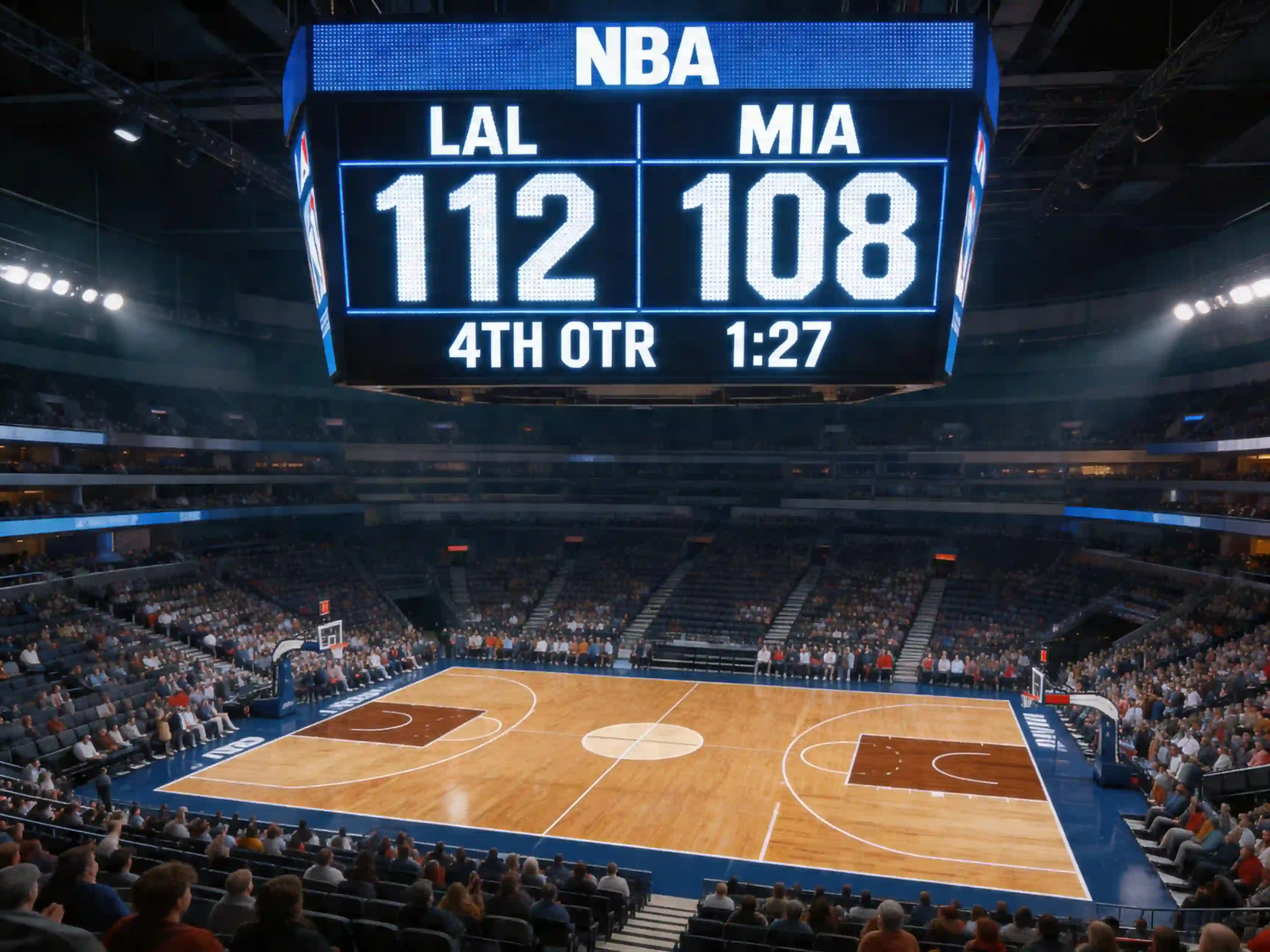
The first totals bet I ever placed was a 223.5 over between the Suns and Kings – two teams I knew ran fast and shot often. It hit by halftime. That night I thought I had discovered free money. Three weeks later, after a string of losses taught me that pace alone does not guarantee outcomes, I understood totals require genuine analysis rather than surface assumptions.
Over/under betting strips away the question of which team wins and focuses purely on combined scoring. For British bettors watching NBA games at antisocial hours, totals offer a way to stay engaged regardless of which side pulls ahead. You can cheer for buckets from both teams equally, which makes those 2am viewing sessions more entertaining when your spread bet goes south.
How NBA Totals Work
Bookmakers set a projected combined score – say 227.5 – and you wager whether the actual total finishes over or under that number. Unlike spreads, where you need one team to win by enough, totals care only about aggregate points. A 140-90 blowout and a 115-113 thriller both hit the same 230 total.
Half-points eliminate pushes. You will rarely see a clean 228 total; that half-point forces a decision one way or another. UK sportsbooks typically price both sides at 1.91, meaning you need roughly 52.4% accuracy to profit long-term after juice. The margin is thin, which explains why casual bettors struggle while prepared ones find edges.
Totals move based on betting action and late-breaking news. A starting guard ruled out might drop the total by two or three points as bookmakers anticipate reduced offensive output. Sharp bettors target these movements, either agreeing with the adjustment or fading what they consider overreactions.
Pace Factor Analysis
Watching the Rockets play reminded me why pace data transformed my totals approach. Houston under Ime Udoka plays grinding, half-court basketball that suffocates scoring. Their games consistently dip under projected totals because the number of possessions shrinks compared to faster teams.
Pace measures possessions per 48 minutes. Teams like Sacramento and Indiana play in the high 100s, generating extra shot attempts through transition offence and quick decision-making. Defensive-minded squads operate in the low 90s, grinding possessions and shortening games. When a top-five pace team faces a bottom-five pace team, projecting whose style dominates determines totals value.
Home teams generally control tempo more effectively. A slow-paced squad hosting a run-and-gun visitor can impose their rhythm, dragging the game toward unders. Road teams lack crowd energy and familiar surroundings that help enforce preferred pace. This dynamic applies differently to totals than spreads, where home advantage manifests through winning margin.
Pace becomes particularly relevant when both teams share tendencies. Two fast teams meeting in a 232-point total might actually offer value on the over despite a seemingly high number. Conversely, two defensive grinders facing each other could go under even when the line looks conservative at 209. Context matters more than raw numbers.
Defensive Matchup Impact
I learned this lesson expensively: pace only tells half the story. A team can play quickly and still limit opponents through elite perimeter defence. The Cavaliers during their recent defensive renaissance proved this – they played at moderate pace but held opponents to historically low efficiency. Their totals required different analysis than pure pace would suggest.
Defensive rating – points allowed per 100 possessions – reveals efficiency rather than raw tempo. Some teams play fast but defend poorly, inflating totals dramatically. Others plod methodically but switch everything defensively, suppressing scoring despite fewer possessions. The interaction between offensive and defensive efficiency shapes outcomes more than either metric alone.
Three-point defence has outsized influence on totals. A team surrendering open corner threes will see opponents’ shooting percentages spike, pushing totals higher even without extra possessions. Conversely, teams that contest every shot might face more attempts but at lower efficiency, keeping totals manageable.
Rim protection creates similar dynamics. Dominant shot-blockers alter opponents’ shot selection, forcing lower-percentage mid-range attempts instead of layups. These games often finish under projections because both teams struggle at the rim. Research from analysing 2,295 NBA matches shows 19% of games are decided in the fourth quarter, when defensive intensity peaks and scoring efficiency typically drops.
Situational Factors Beyond Statistics
Numbers only capture part of totals betting. Scheduling, motivation, and circumstance shape outcomes in ways data cannot always predict. Back-to-back games consistently trend toward unders as fatigue dulls offensive execution – legs tire, shots miss, and fast breaks become walks.
Altitude affects visiting teams playing in Denver. The Nuggets’ Mile High advantage includes opponents gasping through fourth quarters, which would suggest unders, yet Denver’s offensive system is so efficient that their home totals often clear despite visitor fatigue. Each situation requires individual assessment rather than blanket rules.
Playoff seeding implications late in seasons create unusual totals dynamics. Teams locked into positions rest starters, while squads fighting for positioning play desperately. These motivation mismatches produce blowouts that can go either direction on totals depending on which team controls pace during extended garbage time.
Rest also matters for overs. Teams coming off multiple days between games typically shoot better as fresh legs translate to cleaner form. The first game after an All-Star break historically features elevated scoring as players return refreshed. Tracking rest advantages through pace analysis helps identify these spots.
Making Totals Work for UK Schedules
Betting totals offers practical advantages for British punters following the NBA across time zones. When you have limited time to analyse matchups, totals require understanding two teams’ styles rather than projecting which wins. This consolidation of research makes the format accessible for those unable to dedicate hours nightly.
Live totals during games provide action regardless of score margin. A blowout might kill your spread bet early, but if both teams keep scoring in garbage time, your over can still hit. I have won totals bets in games where the leading team sat starters in the fourth quarter because their bench continued running up points against the opposition’s scrubs.
Pre-game totals markets remain open later than spreads at most UK bookmakers, giving you flexibility if injury news breaks after typical betting deadlines. This extended window allows incorporating late information – a star guard confirmed active after being questionable will shift totals expectations immediately.
Articles
Written by the editors at nbaexpertbets.com.
