

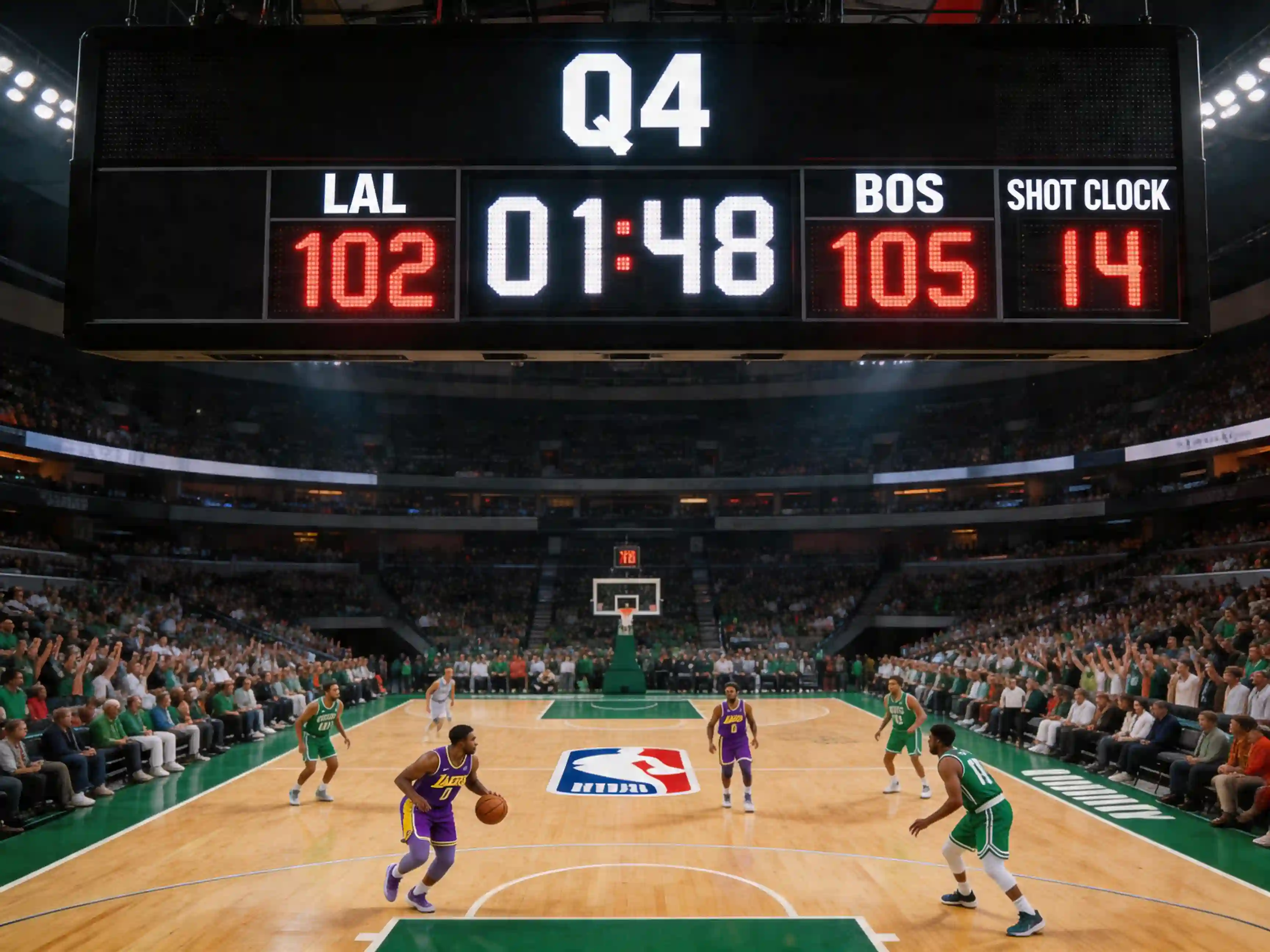
Seven seconds remained when Jayson Tatum caught the inbound, and I knew my live bet was toast. The Celtics trailed by two, my spread needed them to win, and Tatum – career 29% in clutch situations at that point – was about to decide everything. He missed, of course. But that loss taught me something crucial: fourth quarters operate under different rules than the preceding 36 minutes, and bettors who ignore this distinction leave money on the table.
Research examining 2,295 NBA games revealed that 19% of contests are ultimately decided in the fourth quarter. Nearly one in five games comes down to those final twelve minutes. This concentration of decisive moments creates unique betting dynamics – desperation, fatigue, strategic fouling, and clutch performance all converge when outcomes hang in the balance.
Q4 Decisive Games Data
That 19% figure deserves deeper examination. Most NBA games develop their ultimate margin before the fourth quarter – blowouts remain blowouts, comfortable leads hold. But when games stay tight entering Q4, the final period determines everything. Understanding which games will reach this state matters for bet selection.
Evenly matched teams produce tight fourth quarters far more often than mismatched opponents. When two playoff-calibre squads meet, expect games that hinge on late execution. Spreads in these contests should account for Q4 volatility, but markets often underestimate how frequently close games flip in final minutes.
Pace data influences Q4 scoring patterns. Games involving slow-paced defensive teams see fourth quarters with fewer possessions and lower combined scoring. Fast-paced shootouts maintain elevated scoring through the final whistle. These tendencies affect live totals more than pre-game lines, which already incorporate pace projections.
Home teams historically perform better in Q4 of close games. Crowd energy, familiar surroundings, and having last possession (if needed) all favour hosts. This advantage compounds with the general home court effect, making road favourites particularly vulnerable in games that stay competitive through three quarters.
Clutch Performance Metrics
Not every star excels when games tighten. Clutch performance – typically defined as the final five minutes with margins of five points or fewer – reveals who rises and who shrinks. I maintain a personal database tracking clutch shooting percentages because this information directly influences my live betting.
Some players dramatically underperform their overall numbers in clutch situations. Increased defensive attention, pressure, and altered shot selection produce lower efficiency. Others maintain or improve their production, thriving when everything matters most. Neither tendency appears in season averages but shows clearly in clutch-specific splits.
Role players sometimes outperform stars in clutch moments. While defences focus on primary scorers, secondary options get cleaner looks. A shooter averaging 38% from three might hit 45% in clutch situations simply because defenders collapse elsewhere. Identifying these hidden clutch performers creates prop and game betting edges.
Free throw shooting becomes paramount in Q4. Intentional fouling strategies mean poor free throw shooters get targeted, removing them from crucial possessions or forcing misses that swing outcomes. Teams with liability shooters at the line face systematic disadvantage when games get tight.
Live Betting Q4 Strategy
Fourth quarter live betting demands rapid analysis and disciplined execution. Lines move quickly during games, and the right moment to bet might last seconds. I prepare by identifying pre-game which scenarios I would bet live, then execute when those situations materialise.
Momentum swings create exploitable pricing. A team opening Q4 with an 8-0 run sees their live odds shorten dramatically, often overshooting their actual improvement in win probability. Conversely, teams falling behind early in Q4 might offer value as panic pricing sets in. Fading emotional line movement works in live markets just as it does pre-game.
In-play betting on fourth quarters carries elevated risks that academic research confirms. Studies published in the Journal of Gambling Studies demonstrate that in-play bettors show higher rates of problematic gambling behaviours than traditional pre-game bettors. The speed, excitement, and constant action can encourage over-betting. Discipline matters more here than any other market.
Timeouts reset markets effectively. When a coach calls timeout trailing by four with three minutes remaining, the subsequent strategy discussion often produces adjustment. Live lines during timeouts sometimes offer better value than immediately after, before the next possession reveals the timeout’s effectiveness.
Team Closing Ability
Some teams consistently close games; others consistently blow leads. This tendency – separate from overall talent level – determines Q4 betting value. A team might dominate for 44 minutes yet lack the composure to finish, creating opportunities for opponents and live bettors alike.
Coaching matters enormously in Q4. Timeout usage, substitution patterns, and play-calling under pressure separate elite coaches from average ones. A well-coached team trailing entering Q4 might have more value than a poorly coached team leading, because late-game execution often overrides early margins.
Experience correlates with closing ability. Veteran-heavy teams handle pressure situations better than young squads learning to win. Playoff experience particularly matters – players who have been in elimination games bring composure that regular season records cannot capture.
Analysing spread performance by quarter reveals which teams finish strong. Some teams’ ATS records differ dramatically between full-game results and Q4-specific performance. Identifying these discrepancies helps predict which current leads will hold and which will evaporate.
Practical Applications for UK Bettors
Fourth quarter betting suits UK schedules in unexpected ways. Games starting at midnight or later in Britain mean fourth quarters arrive during more reasonable hours – 1:30 or 2am rather than midnight tip-offs. If you can only watch portions of games, Q4 focus maximises entertainment and betting opportunity per viewing hour.
Pre-game bets with Q4 implications deserve consideration. Spread bets on evenly matched teams effectively become Q4 bets, since those games will likely be decided late. Totals on pace-matched games similarly depend heavily on fourth quarter execution. Thinking about how games might unfold helps select bets that match your analysis.
The key insight from nine years tracking these markets: fourth quarters are not random. Specific teams, players, and situations produce predictable tendencies. Studying these patterns – rather than simply watching exciting finishes – transforms entertainment into edge.
Track your Q4 betting performance separately from full-game results. This segmentation reveals whether your late-game analysis adds value or introduces variance. Some bettors excel at pre-game assessment but struggle with in-game decisions; others show the opposite pattern. Understanding your strengths guides strategy.
Fourth quarter analysis rewards those who study closing patterns rather than relying on general impressions of team quality. The work separates serious analysts from casual observers.
Articles
Published by the nbaexpertbets.com team.
