

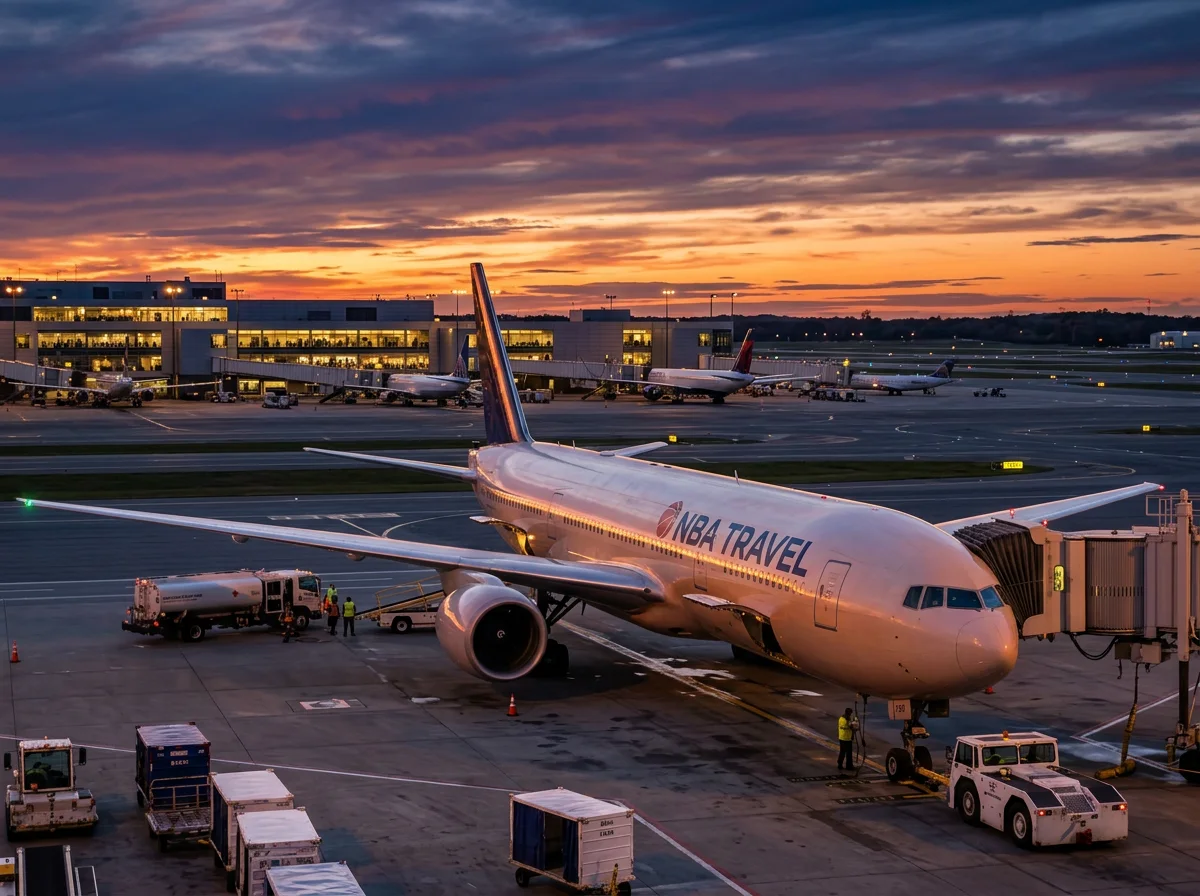
The Timberwolves landed in Miami at 3am after playing in Portland the night before. They had crossed three time zones in 24 hours, and their bodies thought it was midnight when the game tipped at 7:30pm local. I took the Heat giving five points. Minnesota looked sluggish from the opening possession, lost by fourteen, and reminded me that basketball is played by humans whose bodies rebel against impossible travel demands.
NBA travel schedules create measurable performance impacts that casual bettors underestimate. While everyone knows back-to-backs matter, the cumulative effects of multi-game road trips, time zone changes, and red-eye flights receive less attention. Understanding how travel fatigue compounds – and when bookmakers fail to price it fully – creates betting edges throughout the regular season.
Travel Fatigue Fundamentals
The NBA schedule spans coast to coast, requiring teams to cover thousands of miles monthly. A West Coast team playing an East Coast road trip might fly 6,000 miles in a week while playing four games. These travel demands exceed any other major sports league and create fatigue that accumulates beyond single-game effects.
Time zone changes disrupt circadian rhythms. Eastward travel proves particularly difficult – losing hours feels worse than gaining them. A team flying from Los Angeles to Boston loses three hours, meaning their bodies expect tip-off at 4:30pm when the clock reads 7:30pm. This misalignment affects reaction time, shooting touch, and decision-making.
Flight timing matters enormously. Teams with afternoon games can fly the night before, sleep in hotel beds, and wake refreshed. Teams with evening games often fly same-day, arriving hours before tip-off with bodies still processing altitude changes and cabin pressure. The difference between a morning arrival and an afternoon arrival can swing performance meaningfully.
Altitude itself affects visiting teams. Denver’s mile-high environment genuinely impacts cardiovascular performance for players unaccustomed to thin air. Other elevation venues like Salt Lake City produce similar if lesser effects. These physiological stressors compound travel fatigue.
Road Trip Length Effects
First games of road trips typically show normal performance – teams arrive fresh from home with full preparation. By the third or fourth road game, fatigue accumulates. Hotel beds, restaurant meals, and disrupted routines take cumulative toll that exceeds any single night’s sleep deficit.
The longest road trips – five or six games – produce measurable decline by their conclusions. Teams often split these trips, winning early games and fading late. Betting against teams in games four, five, or six of extended road trips captures this accumulated fatigue.
Return home games after long road trips present mixed signals. Physical fatigue suggests decline, but emotional lift from returning home can produce bounce-back performances. The first home game after a brutal road trip might exceed expectations despite tired bodies because players sleep in their own beds and see their families.
Quality opponents during road trips compound effects. Facing three playoff teams consecutively drains more than facing three lottery teams. The physical and mental exertion of competitive games accelerates fatigue accumulation beyond what mileage alone suggests.
Time Zone Analysis
Westward travel proves easier than eastward for circadian adjustment. West Coast teams playing Eastern road games struggle more than Eastern teams playing Pacific time. The body’s internal clock adapts to later schedules more readily than earlier ones – gaining hours feels better than losing them.
Cross-country games with unusual start times create specific edges. A 10pm Eastern tip means West Coast visitors play at their accustomed 7pm body time while exhausted East Coast bodies feel like midnight. These late starts can favour Western visitors despite travel fatigue.
Teams that frequently cross time zones develop coping mechanisms that reduce impact. Los Angeles teams accustomed to East Coast trips handle them better than teams with geographically concentrated schedules. Track which teams have already made similar trips this season – earlier adaptation reduces later fatigue.
International games create extreme time zone challenges. Teams playing in Paris or Mexico City face travel demands beyond normal schedules. Performance immediately following these trips often suffers as bodies readjust to domestic time zones.
Identifying Travel Traps
Schedule analysis before each day’s slate identifies travel-impacted games. Check where each team played yesterday, when they likely arrived, and how many miles they have covered in the past week. This context matters for spread analysis beyond simple team quality comparisons.
Specific patterns warrant attention. Teams playing their fourth consecutive road game in a different time zone than where they started. Teams arriving from altitude after playing the previous night. Teams facing rested opponents after gruelling travel. These compound situations create the largest fatigue edges.
Weather disruptions multiply travel effects. Winter storms delay flights, force teams into late arrivals, and eliminate pre-game preparation time. When major weather affects travel routes, factor potential disruption into games involving affected teams.
Back-to-back games during road trips are particularly brutal. The team flies after their first game, arrives late at the next city, and plays with minimal recovery. These spots – back-to-backs on the road – represent the strongest travel fade situations.
Betting Travel Situations
Not every travel situation offers betting value. Bookmakers adjust for obvious fatigue scenarios. The edge exists in compound situations where multiple factors combine beyond what standard adjustments capture.
Track your results by travel category. Games involving three-plus time zone changes. Fourth-plus games of road trips. Teams arriving from altitude. This categorisation reveals which travel spots produce consistent returns versus which the market prices efficiently.
Consider totals alongside spreads in travel situations. Exhausted teams often underperform offensively – shots fall short, legs tire, and offensive execution suffers. Unders might offer value when heavily travelled teams face rested opponents capable of controlling pace.
Player props reflect travel fatigue inconsistently. A star’s points prop might not adjust for the fact that he played 42 minutes last night, flew overnight, and arrived this morning. Individual performance props on heavily travelled players deserve scrutiny for under value.
Season-long tracking of travel situations builds pattern recognition. Note which teams handle road trips well versus which fade consistently. Some organisations invest in travel logistics – charter flights, sleep specialists, schedule optimisation – that reduce fatigue impact. These structural differences persist across seasons and inform future travel analysis.
Combine travel analysis with injury monitoring for complete situational assessment. A team missing a key rotation player during an extended road trip faces compounded disadvantage – both schedule fatigue and depth concerns. These intersection points create the strongest travel fade opportunities.
Articles
Written by the editors at nbaexpertbets.com.
