
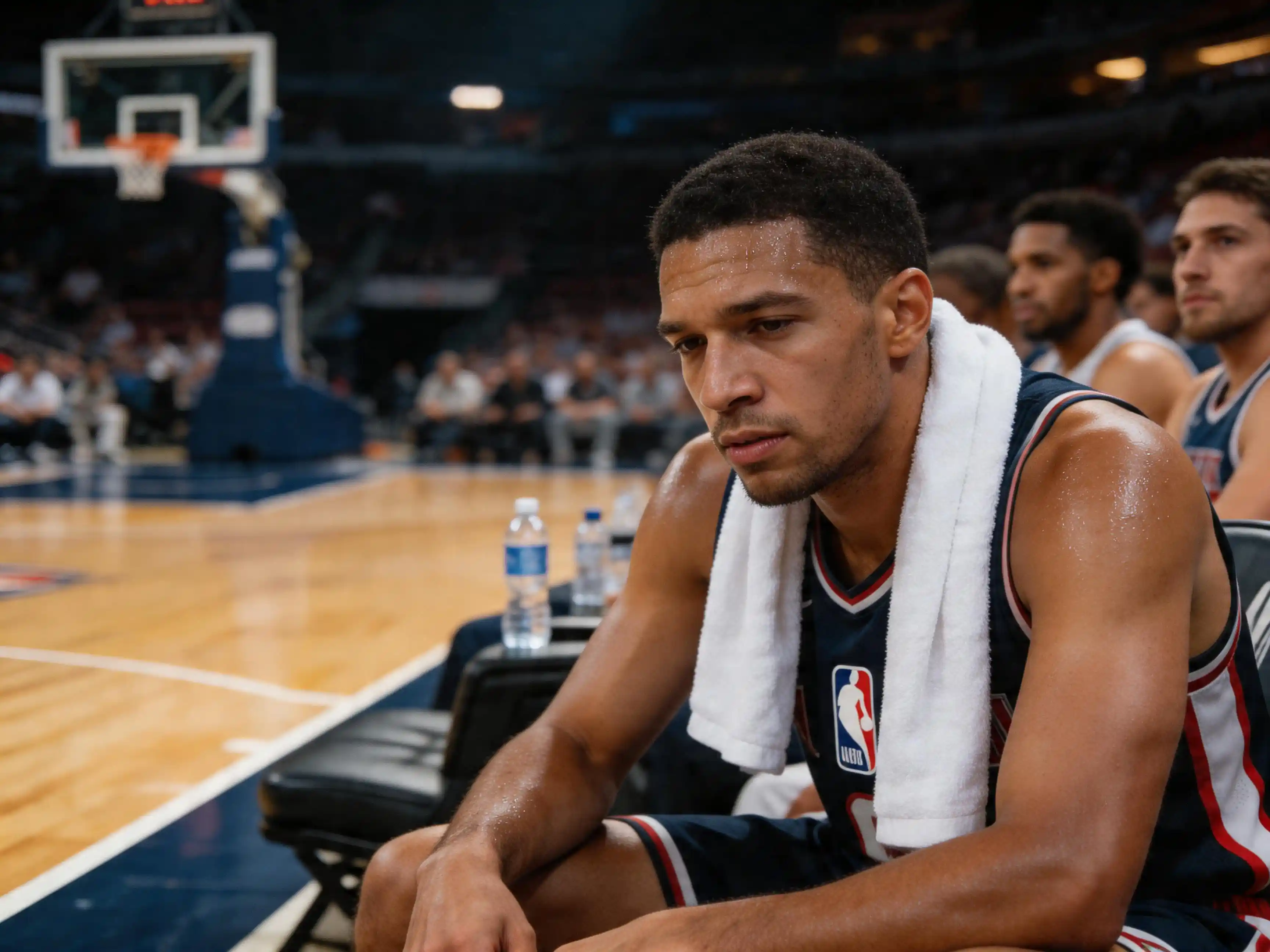
December 2022 taught me everything about back-to-back fatigue. I watched the Bucks – fresh off a rest day – absolutely demolish the Celtics who were playing their second game in 24 hours. Boston’s stars looked half a step slow, defensive rotations arrived late, and shots that normally dropped clanked off iron. The spread closed at Milwaukee -4, and they won by 19. That margin difference happens when tired legs meet rested opponents.
Back-to-backs remain the NBA’s most observable scheduling phenomenon. Unlike subtle factors like altitude or time zone transitions, consecutive-night fatigue is visible to anyone watching. Players breathe heavier in fourth quarters, jump less explosively for rebounds, and miss shots they would bury with fresh legs. The betting market knows this, of course, which raises the real question: has schedule fatigue already been priced into the lines?
What Are B2B Games
A back-to-back occurs when a team plays games on consecutive nights with no rest day between. The NBA schedule includes roughly 12-15 back-to-backs per team each season, strategically placed to manage 82 games across six months. Some stretches pack multiple B2Bs within weeks, while others space them across months.
The second night is where fatigue manifests. Teams playing their first game of a back-to-back are not yet affected – they carry normal rest. Only when analysing the second game does fatigue become a factor. I track these carefully because betting against tired teams on night two has produced consistent edges over my career.
Modern load management complicates traditional B2B analysis. Stars increasingly sit the second night of back-to-backs, particularly in regular season games against weaker opponents. This rest strategy transfers fatigue implications from player performance to depth concerns – can the bench handle extended minutes?
Historical B2B Performance Data
NBA research reveals patterns sharp bettors exploit. Teams on the second night of back-to-backs historically win less frequently and cover spreads at lower rates than rested opponents. The magnitude varies by season and team quality, but the directional trend holds across large samples.
Home back-to-backs perform better than road back-to-backs. Sleeping in your own bed, avoiding travel, and playing before a familiar crowd mitigates some fatigue disadvantage. Road B2Bs – where a team travels overnight and plays in a hostile environment – represent the most severe scheduling disadvantage in professional basketball.
The market has partially adjusted. Bookmakers shade lines against B2B teams, building fatigue expectations into spreads. A team that would normally be -6 at home might open at -4 if playing their second consecutive night. This adjustment means blindly fading B2B teams no longer guarantees profit – you need additional angles.
That said, bookmakers sometimes under-adjust. When a B2B team also faces a rested opponent coming off multiple days off, the combined fatigue differential often exceeds market pricing. These compound situations – tired team versus well-rested opponent – offer the clearest B2B edges.
Travel Distance Factor
Not all back-to-backs carry equal fatigue. A team playing in Los Angeles on Saturday and at the Clippers on Sunday travels across a parking lot. A team playing in Boston on Friday and at Phoenix on Saturday crosses four time zones. Distinguishing these scenarios matters for accurate B2B assessment.
Research shows home teams win around 60% of NBA games outright, translating to roughly three points of spread advantage. Travel eliminates and sometimes reverses this advantage. A team arriving at 3am after a flight, playing that same evening, cannot match a rested home squad’s energy. Minutes played matter significantly here.
Cross-country B2Bs from East to West impose time zone challenges beyond simple travel fatigue. Playing at your body’s 1am when the game tips at 10pm local time affects reaction speed and decision-making. These circadian disadvantages compound with physical tiredness.
The travel schedule analysis extends beyond back-to-backs but applies intensely here. When a B2B includes significant travel, the combination of consecutive games plus distance creates maximum scheduling disadvantage.
Fatigue and Recovery Basics
Fatigue affects different players differently based on age, conditioning, and role. Veteran stars playing 35+ minutes nightly show more pronounced B2B decline than young rotation players logging 20 minutes. Targeting specific player props – rebounds, assists, scoring – on tired nights often yields better value than game spreads.
Defensive effort declines before offensive production. Tired teams still generate shots but struggle to rotate, contest perimeters, and box out. This manifests in opponents shooting better percentages rather than tired teams missing more. Analysing defensive matchups on B2B nights identifies where opposing scorers might exceed their props.
Rest advantage runs opposite to B2B fatigue. A team with three days off facing a B2B opponent enjoys compounded edge. Their legs are fresh while their opponents’ are depleted. These maximum differential spots – rested versus fatigued – consistently offer value even after market adjustments.
Betting Strategy for B2B Situations
My approach to B2B betting has refined through years of tracking results. I no longer blindly fade tired teams; instead, I identify compound disadvantage situations where fatigue combines with other negative factors. B2B plus significant travel plus elite rested opponent creates the sweet spot.
Team depth matters on B2Bs. Squads with strong benches handle consecutive nights better because minutes distribute more evenly. When a team relies heavily on a 36-minutes-per-game star, that individual’s fatigue disproportionately impacts outcomes. Check rotation patterns and bench production when assessing B2B vulnerability.
Totals on B2B games tend toward unders. Fatigued teams score less efficiently and defend less intensely – but the offensive decline typically outweighs defensive breakdown. Both factors push scoring lower than projected when one or both teams play on tired legs.
Avoid B2B situations where the tired team faces a tanking opponent. Poor teams often lack the discipline and effort to capitalise on fatigue advantages. They might let a tired favourite cruise to victory simply by showing up. Quality of the rested opponent matters as much as the fatigued team’s condition.
Track your B2B betting results by category: home versus road, short versus long travel, quality opponent versus weak opponent. This granular analysis reveals which B2B situations produce returns and which represent noise. Not all fatigue spots are created equal.
Integrate B2B analysis into your broader betting framework. Schedule fatigue represents one factor among many – injuries, matchups, motivation, and market dynamics all matter. The best B2B bets combine fatigue edges with other favourable factors rather than relying on schedule alone.
Articles
Written by the editors at nbaexpertbets.com.
