
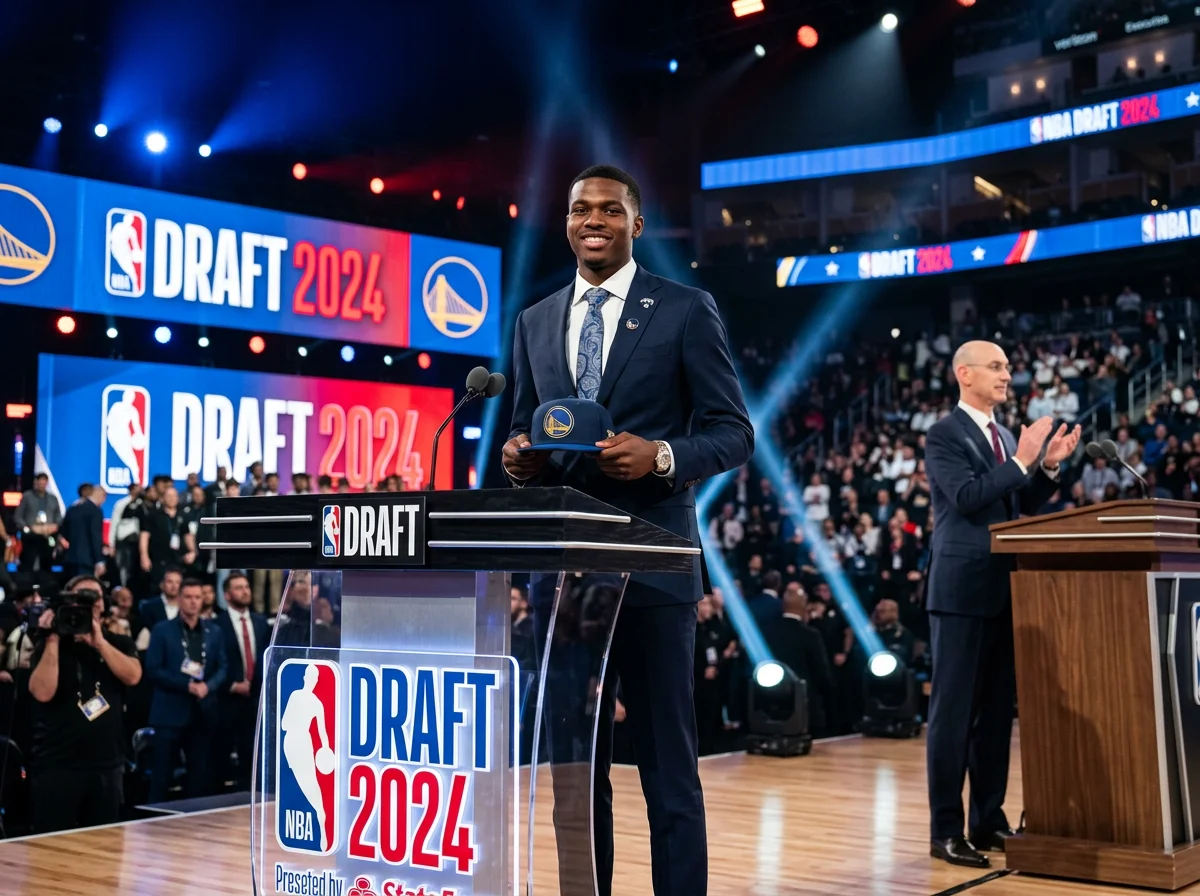
Paolo Banchero was 3.50 to go first overall the morning of the 2022 draft. By evening he had shortened to even money as rumours swirled. Orlando selected him first, and anyone paying attention to draft day signals captured value that morning analysis had missed. Draft betting rewards those who follow the process as closely as the prospects – sometimes more closely.
NBA Draft betting offers unique futures markets where insider information and last-minute developments dramatically affect outcomes. Unlike regular season betting where games resolve through competition, drafts resolve through human decisions influenced by trade talks, medical information, and front office preferences that leak in real-time. This creates opportunities for attentive bettors and dangers for those who bet early without monitoring developments.
Draft Market Types
First overall pick markets attract the most attention and liquidity. Bookmakers offer odds on which prospect will be selected first, with prices reflecting perceived team preferences and prospect rankings. These markets can shift dramatically based on workout reports, medical news, and trade rumours.
Top three and top five markets offer range-based props. Betting a prospect to be selected in the top three provides cushion compared to first overall while still requiring lottery placement. These markets suit bettors confident in prospect quality but uncertain about specific team preferences.
Over/under draft position markets set lines on where specific prospects will be selected. A player with line of 6.5 offers over (selected 7th or later) and under (selected 6th or earlier). These markets require projecting consensus around individual prospects.
Team-specific markets ask which prospect a particular team will select. If a team holds the fourth pick, which player will they choose? These markets require understanding team needs, front office tendencies, and prospect fits with existing rosters.
Information Dynamics
Draft betting differs fundamentally from game betting because outcomes depend on non-public information. Team executives know their preferences; the public does not. Rumours, leaks, and media reports bridge this gap imperfectly, creating information asymmetries that drive line movement.
Draft day itself produces the most dramatic information flow. Teams conduct final interviews, share medical information, and negotiate trades in the hours before selections. Monitoring trusted reporters during this window reveals information that immediately affects market prices.
Workout reports throughout the pre-draft process shift perceptions gradually. A prospect impressing in private workouts sees their stock rise; one who disappoints falls. These developments trickle into public discourse through reporter relationships with team sources.
Medical information creates the largest draft day swings. A concerning injury report emerging hours before the draft can drop a prospect ten spots. Bettors who catch this news early can capture value before lines adjust – or get burned holding positions that deteriorate rapidly.
Mock Draft Analysis
Mock drafts from respected analysts reflect informed projections about team preferences. Aggregating multiple mock drafts reveals consensus expectations – deviations from this consensus in betting markets suggest either value or information the mocks missed.
Track which analysts have insider sources versus those projecting based on public information. Reporters with team connections sometimes telegraph picks through their mocks. A previously unconnected analyst suddenly mocking a specific pick might be reporting rather than predicting.
Late mock draft changes before the event carry particular weight. When multiple analysts shift projections in the same direction simultaneously, new information has likely emerged. These coordinated moves often precede betting line adjustments.
Mock draft accuracy varies by draft class. Some years feature clear consensus with predictable outcomes; others feature uncertainty where mocks diverge significantly. Understanding which type of class you are betting helps calibrate confidence levels.
Timing Draft Bets
Early betting – weeks before the draft – offers the best odds on outcomes that seem unlikely but prove correct. Betting a prospect at 8.00 to go first overall before their stock rises provides massive returns if the projection proves accurate. This approach requires strong conviction about developments the market has not yet priced.
Mid-cycle betting after workouts but before draft day captures information advantages if you follow the process closely. Workout reports, medical updates, and trade rumours shift consensus during this period. Bettors monitoring developments can adjust positions as new information emerges.
Draft day betting involves the most information but the tightest markets. Lines have absorbed most public knowledge; remaining value exists only in real-time developments that break during the event itself. Speed matters – capturing value requires acting on news within minutes.
Hedging draft positions as new information emerges protects against downside while capturing early value. If your longshot first overall pick shortens dramatically, betting against them locks profit regardless of outcome.
Trade Rumours and Draft Night
Trade talks before and during the draft create additional betting complexity. Teams swap picks constantly, meaning the team selecting at a specific position might change minutes before the pick occurs. These trades can invalidate team-specific betting positions if you bet on what a team would do with a pick they no longer hold.
Monitoring trade rumours helps anticipate pick movements. When reports suggest a team is shopping their pick, future team-specific bets on that selection become risky. Conversely, identifying which teams might trade up reveals where surprise selections could occur.
Draft night itself features rapid trades that outpace betting market adjustments. Teams announce trades, then bookmakers scramble to void affected markets. Bettors positioned in team-specific markets when trades occur face uncertainty about whether their bets will be honoured or cancelled.
Understanding which teams historically trade during drafts helps anticipate disruption. Franchises with aggressive front offices frequently move picks; conservative organisations tend to stay put. This historical pattern informs which team-specific markets carry trade risk.
UK Bookmaker Draft Markets
UK bookmakers offer NBA Draft markets with varying depth. Major platforms provide first overall pick, top three, top five, and selected over/under markets. Availability expands as the draft approaches and contracts immediately afterward.
Timing differences between UK and US markets sometimes create arbitrage opportunities. News breaking during US afternoon might not affect UK lines until evening trading. Attentive bettors can occasionally capture value before UK bookmakers adjust.
Draft betting limits at UK bookmakers are typically modest. The niche nature of these markets and potential for insider information causes bookmakers to reduce exposure. Large wagers might face restrictions or require approval.
Draft betting represents a specialised niche within NBA futures markets. Success requires following the draft process throughout the pre-draft period – casual bettors wagering based on outdated information consistently lose to those immersed in daily developments.
Articles
Published by the nbaexpertbets.com team.
